Menu

Governance

Strategic direction, cultural stewardship, and institutional continuity.

Ngbe Americas is governed through an executive leadership structure supported by protocol officers, specialized vice presidents, the College of Dicabas, and the Traditional Advisory Council. Together, these bodies provide strategic direction, administrative oversight, cultural stewardship, financial accountability, community order, and institutional continuity.

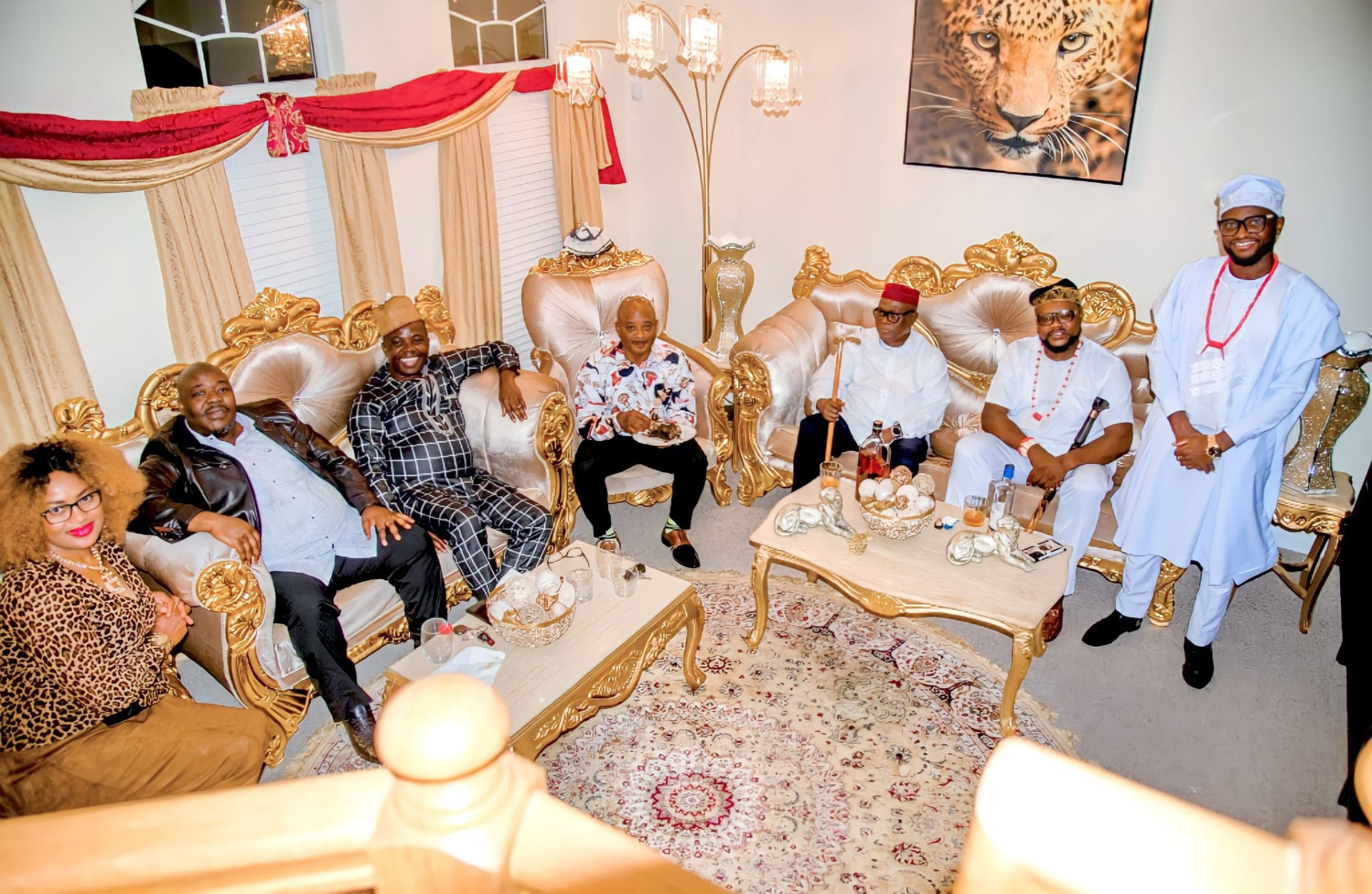
Ngbe Americas leaders and chiefs seated together in council regalia
Leaders and installed chiefs in council

(a) Executive leadership

Leadership roster

The executive leadership team provides vision, administration, finance, communications, protocol, research, internal development, external relations, religious relations, medical outreach, entertainment, youth and gender affairs, and diplomatic guidance.

Executive leadership roster
RoleName
PresidentSesekou Joseph Mfonten Mbu
Vice President for AdministrationSesekou Mathias Egbe Etta
General SecretaryTata Rufus Takang
Deputy General Secretary & Vice President in charge of PublicationsSessekou Joseph Ekortarh
General CounselSessekou Egbe Solomon
Deputy General Counsel & Vice President in charge of Security & ComplianceSessekou Philip Tabi
Financial SecretarySessekou Valery Enowmpeh Enowtambong
Secretary of the TreasurySesekou Joseph Ekortarh
Vice President for CommunicationsSessekou Ako Tabetah
Vice President of Protocols, Ethics & Ngbe RegulationsTata Eyongetah
Akwa-Dicaba 1Mfongbe Ofungbe David
Akwa-Dicaba 2Osongoribo Etengeneng Tanyi Ashu
Vice President Relations with External Non-Cameroonian groupsSessekou Philip Mbe Tazi
Vice President Relations with External Non-Manyu groupsSessekou Russel Ebainjong
Vice President for Internal developmentSesekou Etchu Ebott Jr
Vice President in charge of Research and innovationSessekou Enowntai Ayuketang
Vice President in charge of the Youth and Gender AffairsSessekou Benson Agbortabi
Vice President in charge of Relations with Churches and Religious OrganizationsEteme Ntui Bouldwin Enowmbi
Vice President in charge of EntertainmentsTata Samuel Assam
Senior Political & Diplomatic Affairs AdviserEugene Defang Mfontem
Senior Political & Diplomatic Affairs AdviserSessekou Athanasius Ayuk Ako

(b) Board of Directors

The Board

Board of Directors
RoleName
Dean of the BoardIyamba Sandys Eyong
MemberSesekou Hillman Ayuk Manga
MemberSesekou Bidof Ebai
MemberSesekou Elliot Obitabot
MemberSesekou Emeritus Emmanuel Ojongorock
MemberSesekou Samson Awo
MemberSesekou Sammy Arreymbi
MemberSesekou David Tambe
Board SecretaryTata Ngbe Rufus Takang

(c) Traditional Advisory Council

Ancestral authority in council

The Traditional Advisory Council is central to the governance and cultural life of Ngbe communities across North and South America. Rooted in ancestral authority, ritual symbolism, and social regulation, the Council resolves traditional-value matters that cannot be resolved by the Executive Committee or the College of Dicabas.

Governance and social order

Acts as a traditional court by resolving disputes through mediation, arbitration, and adjudication; serves as a neutral third party in Ngbe community conflicts; and participates in the endorsement or selection of a Ngbe Americas President in the event of an unexpected leadership vacancy.

Ceremonial and spiritual stewardship

Oversees sacred ceremonies, initiations, and rites of passage within the Ekpe society; reinforces the symbolic authority of Ekpe as a guardian of tradition and justice; and preserves and transmits Nsibidi knowledge used in rituals, governance, and communication.

Conflict resolution

Establishes conflict-resolution teams to mediate non-Ngbe Manyu matters presented to the President and, when delegated, represents Ngbe Americas in mediating conflicts involving Ngbe leaders, traditional rulers in the Americas, and Ekpe communities in Africa and the Americas.

Global cultural collaboration

Facilitates cultural collaboration among Ngbe communities in Nigeria, Cameroon, Cuba, and other parts of the world with identified Ngbe practices, advancing cultural diplomacy as a bridge between ancestral values and modern governance in diaspora contexts.

Composition of the Council

The Council is composed of three categories of members: officially installed traditional rulers from Ekpe or Ngbe regions in Africa or the Americas who are initiated members of Ngbe; founding fathers of Ngbe Americas and its legacy organizations who remained active leaders of the Manyu community or Ngbe in the Americas and are fully initiated in Ekpe; and qualified alternate members under age 65 who may serve when a permanent member is absent and quorum is needed.

Officially installed chiefs

  • Chief Asam Asam Eyong
  • Chief John Njang
  • Chief Franco Egbe Tako
  • Chief Alfred Tanyi
  • Chief Ferdinand Orock
  • Chief William Besong
  • Chief Philip Mbe Tazi

Founding fathers

  • Dean Sesekou Emmanuel Ojongorock
  • Sesekou Joseph Mfonten Mbu
  • Sesekou Obi Tabot
  • Sesekou David Tambe
  • Sesekou Sandys Eyong
  • Sesekou Solomon Egbe

(d) Lodges

The lodges of Ngbe Americas

Ngbe Americas Inc. is made up of lodges across the United States. Each lodge keeps its own gatherings, initiations and community work while sharing one governance structure.

Ekpe DC Lodge members gathered

Washington, DC metropolitan area

Ekpe DC Lodge

ekpedclodge@gmail.com

The most recent history of the Washington DC lodge dates to 1996, when Sisiku Ojong Orock — the first Sisiku (Ekpe chief) to settle in the United States, arriving on 27 February 1996 — came together with Tata Ngbe Mfonten Mbu, Tata Ngbe Carlet Ako (of blessed memory) and Tata Ngbe Martin Mbeng to establish Ekpe in the capital region.

Visit this lodge’s pageLodge calendar
Ngbe Ohio Lodge members gathered

Ohio

Ngbe Ohio Lodge

benson.tabi@gmail.com

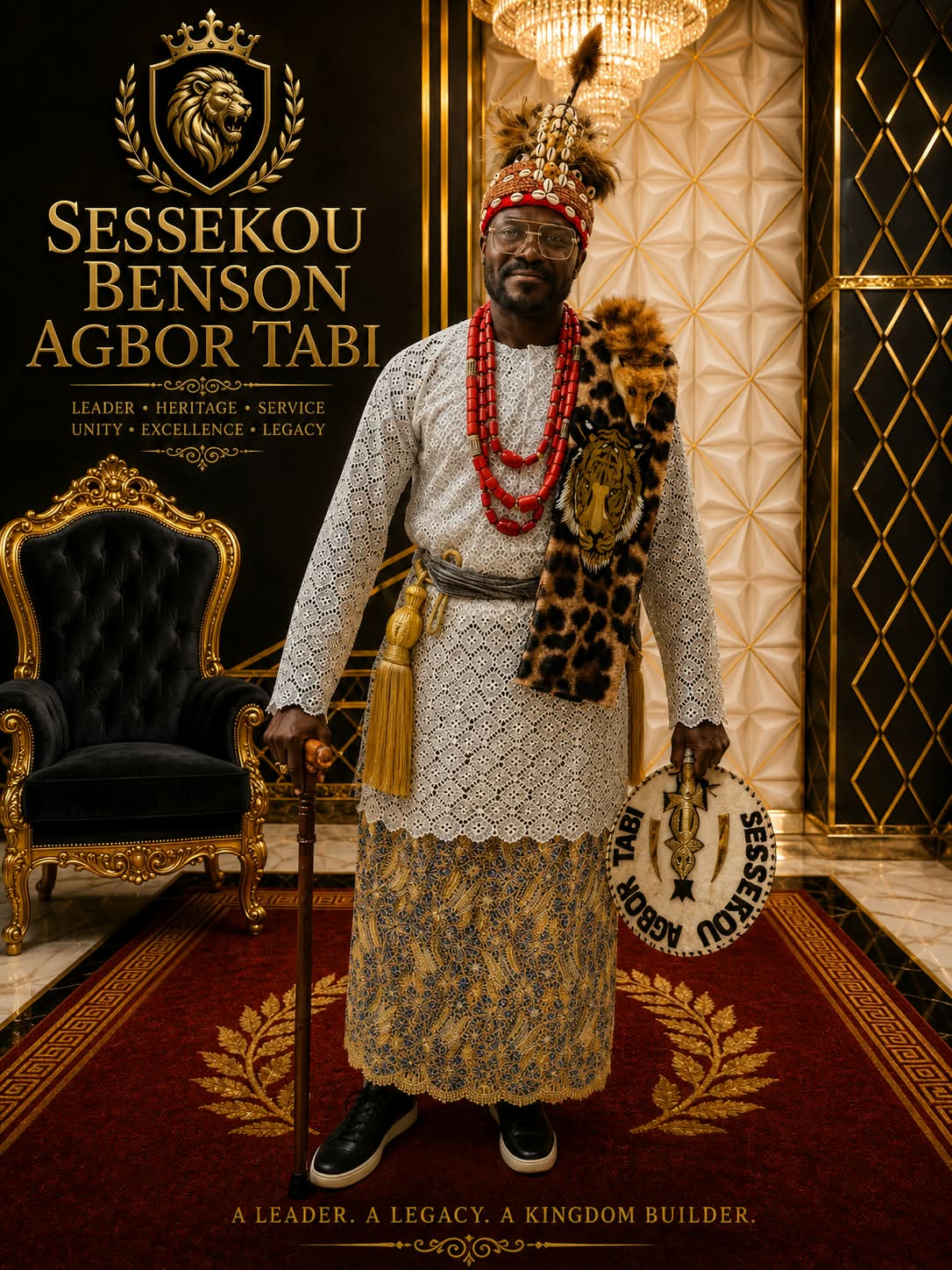
Ngbe Ohio Lodge was established in 2024 under the leadership of Sessekou Benson Agbor Tabi and Nfor Membo Ngbe Nicolas Enow, with a vision to preserve, promote, and pass on the rich cultural heritage and traditions of the Ngbe (Ekpe) Fraternity to future generations.

Visit this lodge’s pageLodge calendar
Photo coming soon

United States — national roster

Ngbe National Lodge

The national lodge oversees all other Ngbe Americas lodges. It holds the national roster and provides guidance, coordination and oversight across every city lodge.

Visit this lodge’s pageLodge calendar

Lodge history

Ekpe DC Lodge

In December 1996 Tata Mfonten Mbu became a Sisiku. The second activity of Ekpe DC was the celebration of the life of Sisiku Okang, whose Ekpe title was passed on to his grandson, Alfred Okang, son of Dr. George Okang. The third major activity was the celebration of the life of Tata Ako Ayuk Carlet.

Other activities included the anniversaries of the deaths of Sisiku Okang and Tata Ako Ayuk Carlet; the celebration of the life of HRH Stephen Agbaw, traditional ruler of Okoyong Chiefdom; of Sisiku Tabot of Bachuo-Ntai; of HRH Nelson Enonchong (late), sisiku from Besong-Abang Chiefdom, former Secretary General of the Ministry of Justice in Cameroon, founding member of the Cameroon Bar Association and Chairman and CEO of the Enonchong conglomerate; and of H.E. Sisiku Emmanuel Tabi Egbe (late), former Minister of Telecommunications and Roving Ambassador of the Republic of Cameroon.

We first got in contact with the Efik Ekpe of Nigeria when Tata Eyong Tabe (Joe) was celebrating his Eyum Ngbe at Takoma Park, Maryland, in 2000. The Efik in Nigeria have Nkanda as the basic Ekpe, whereas in Cameroon we have Ekpe as the starting point. This created a need for Ekpe DC to have a full Ayamba Nkanda (Nkanda Chief), and so Sisiku Ojong Orock, after consultation with the other Ekpe members and Sisiku Mfonten Mbu, decided to acquire his own Nkanda Lodge in April 2003.

Important activities of the lodge include the recognition of Ekpe personalities from Cameroon who visit the Washington DC metropolitan area — among them Sisiku Egbe Achuo (Hilman), Supreme Court Justice in the Republic of Cameroon; HRH Sisiku Dr. Achale, traditional ruler of Ewelle Chiefdom and Executive Director of Finance at the National Petroleum Investment Fund; Sisiku Ekortarh (late), former Supreme Court Judge; HRH Sisiku Ndiepso Tabetando, traditional ruler of Bachuo-Ntai Chiefdom and President & CEO of Euro Oil; and HRH Chief Mukete, paramount chief of the Bafaw region in Kumba and Chairman of CAMTEL and Mukete Estates. Ekpe members visiting the area also pay homage to the Ekpe DC Lodge.

Originally our meetings were held monthly, but we now meet bi-weekly due to the high demand for Ekpe exoteric and esoteric skills in the community. With a membership of over fifty initiated members in the metropolitan Washington DC area, our priority is to increase the initiated membership roll by encouraging aspirants, who number over thirty, to go home and be initiated.

Our second priority is to be present or represented wherever there is an Ekpe event anywhere in the world. At short notice we were able to send a delegation to New York City to rediscover our Cuban brothers and sisters on Saturday 5 October 2009, at the launching of their Ekpe CD, which was sold during the Conclave Cultural Gala in Maryland on 17 October 2009. We also prepared to attend the World Ekpe Festival in Calabar, Nigeria.

A research team headed by Sisiku Solomon Egbe Esq., Sisiku Joseph Mbu, Etobetobe Ntui Asam Asam and Tata John Ashukem was charged with tracking down all our Ekpe brothers and sisters displaced from the Cross River area of Nigeria and Cameroon by the slave trade. So far we have made contact with Ekpe members in Cuba, Brazil and Haiti, and we are reactivating our long-standing relationship with the Ekpe groups of Nigeria. We have also developed an Ekpe library of rare ancient and modern books covering the exoteric details of the society, along with manuscripts on its esoteric details, which may be reviewed by initiated members only.

Our long-term goal is to build a model Ekpe lodge in the Washington DC metropolitan area, on a solid foundation of Ekpe principles that can be replicated around the world.

The top brass of Ekpe DC has continued to grow. Active and allied Sisikus include Sisiku Elias Akwo (April 2006), Sisiku Peter Ebot (December 2007), Sisiku Solomon Egbe Esq. (March 2008), Sisiku Christmas Ebini (April 2008), Sisiku Jean Jacques Enow (April 2009), Sisiku Arrey Barchel, Sisiku Dr. David Tambe, Sisiku Dr. James Tabe and Sisiku Maurice Enow (allied members in Dallas), Sisiku Dr. George Besong (allied member in Florida) and Sisiku Philip Tabi (allied member in Atlanta).

Ekpe 101: because Ekpe is the highest cultural form among the Efik, Ekoi, Ejagham, Boki and Banyang peoples, it is sometimes perceived as religious; it embodies the traditional philosophy of our people along with their colourful celebratory life. Ekpe is a mysterious spirit said to live in the jungle, symbolised by the leopard, and it presides at the ceremonies of the Efik, Banyang, Ejagham and Oroko peoples of Cameroon and Nigeria.

Believed to have originated in the Cross River area of the Niger Basin of West Africa, Ekpe spread through lands now occupied by the Oroko, Ejagham, Banyang and Boki in Cameroon, the Efik, Ibibio, Arochukwu and Ohafia in Nigeria, and the Abakuá of Cuba as well as Haitians and Brazilians of Cameroonian ancestry. It is also known as Egbo, as Okonko in Umuahia, and as Ngbe or Nyamkpe in Kenyang, Cameroon.

Members of the society are said to act as messengers of the ancestors, who alone are believed to be in link with the deity called Ntoh-Obassi, the Almighty God. Social importance attaches to the highest ranks of Ekpe-men — Chief of Ekpe, Nfor Ngbe or Sesekou — and very large sums have long been paid to attain these upper levels. Initiates are required to sponsor feasts for the town, providing food and drink to the poor and so redistributing wealth.

The economics of Ekpe rests on paying tribute to tribal ancestors, and the society combines a kind of freemasonry with political and law-enforcing aims. Any member wronged in an Ekpe district has only to address an Ekpe-man, beat the Ekpe drum in the Ekpe-house, or blow the Ekpe horn before the hut of the wrongdoer, and the whole machinery of the society is put in force to see justice done. Members of Ekpe also invented Nsibidi, the ideographic script indigenous to West Africa.

Membership: only males may join, boys being initiated around the age of puberty. Members are bound by an oath of secrecy and entrance fees are payable. Ekpe-men are ranked in seven or nine grades, each requiring fresh initiation ceremonies, fees and oaths.

A special tribute: the lodge honours Sesekou Eddie Tameng-Afere Besong, the first Cameroonian Sisiku to die in the United States.

Sources: In the Shadow of the Bush; Leopards and Leaders; Ekpe Efik; Imagined Power Contested; and various manuscripts held by the lodge. To learn more about the Ekpe society, contact Sesekou Ojong Orock at 301-422-6566.
Lodge history

Ngbe Ohio Lodge

Since its establishment, the Ohio Lodge has continued to grow and currently boasts 32 members and Ngbe aspirants, united by a common commitment to brotherhood, cultural preservation, and the promotion of our ancestral traditions.

The Ohio Lodge has grown into a self-sustaining cultural lodge, proudly maintaining important traditional artifacts and regalia, including drums, gongs, Evongu regalia, Emanyankpe regalia, Newen, Nkanda regalia, Nchokanda regalia, Obasinjom regalia and Moninkim. These cultural treasures enable the Lodge to preserve and showcase the richness and diversity of our heritage here in Ohio.

In addition to his leadership within Ngbe Ohio Lodge, Sessekou Benson Agbor Tabi serves as the Chief of Obasinjom Ohio, further strengthening the Lodge's commitment to preserving and promoting the interconnected cultural institutions and traditions of our people.

Our mission is clear: to preserve and promote our culture and traditions, strengthen unity and brotherhood, and inspire the younger generation to embrace their heritage and aspire to join the Ekpe Fraternity.

From its humble beginning in 2024, Ngbe Ohio Lodge continues to grow as a proud home of culture, tradition, brotherhood, and continuity — ensuring that the heritage entrusted to us by our ancestors remains alive for generations to come.